What your spice rack says about your sustainability habits
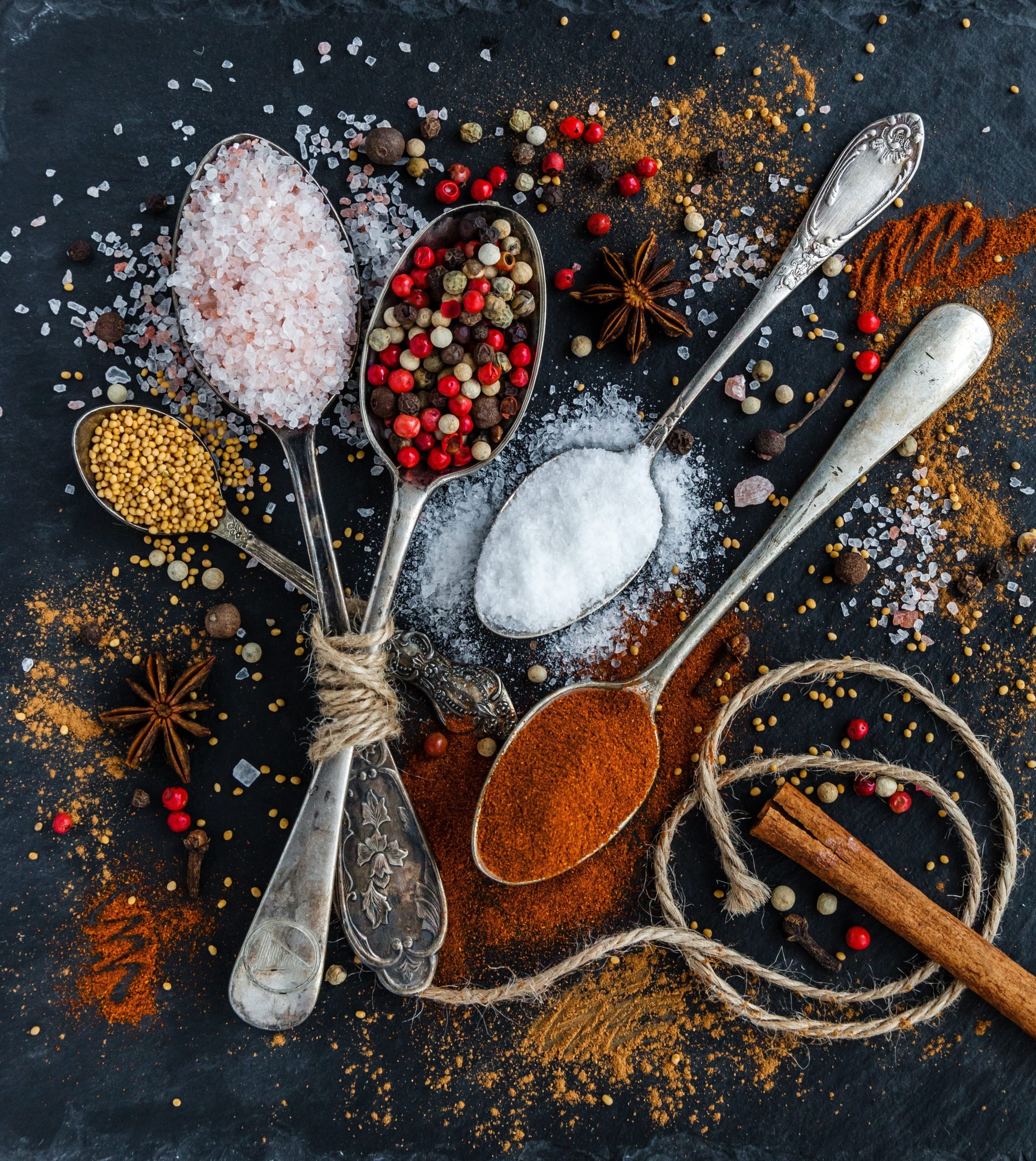
Your spice rack sustainability habits show up long before you think about big environmental changes. You reach for salt, pepper, or paprika without thinking much about where they came from or how they were packaged. Yet these small choices reflect how your kitchen operates every day.
A kitchen becomes more sustainable through routine decisions. It starts with what you buy, how you store it, and how long it lasts.
Where your spices come from matters
Take a closer look at your spice rack. Some spices travel long distances before they reach your kitchen. Others are grown locally or regionally. That difference affects transport emissions and supply chains.
When you choose locally sourced spices where possible, you reduce the distance food travels. In Kenya, herbs and spices like coriander, turmeric, and chilli are often available from local markets. Buying from these sources supports shorter supply chains and local farmers.
Imported spices still have a place, but the balance matters. A spice rack filled only with imported products tells a different sustainability story from one that mixes local and global sources.
Packaging tells another story
Spices are often sold in small plastic containers or sachets. These add up over time. If you buy new packaging every few weeks, your kitchen generates more waste than you may realise.
Bulk buying shifts that pattern. You refill jars instead of replacing them. Glass containers last longer and reduce single-use packaging. Some local markets already allow this, though it requires a bit more effort from you.
This is where sustainability becomes practical. It is not about big investments. It is about reducing waste through simple habits.
Shelf life and waste are easy to overlook
Spices do not spoil quickly, but they lose potency over time. When they sit unused, they become waste in another form. You may not throw them away immediately, but they stop serving their purpose.
A well-managed spice rack reflects how often you cook and how you plan meals. Smaller quantities used regularly reduce waste. Buying large amounts that sit unused does the opposite.
Storage also plays a role. Airtight containers and dry conditions extend shelf life. These are small adjustments with visible results.
What this says about your kitchen
Your spice rack sustainability habits connect to larger patterns in your home. They reflect how you approach consumption, storage, and waste.
You do not need a full kitchen overhaul to shift this. You adjust how you buy, how you store, and how you use what you already have.
The changes are quiet. They happen over time. And they start with something as simple as the spices you reach for every day.