E-Mobility in Kenya Is Expanding, But the Pace Still Feels Uneven
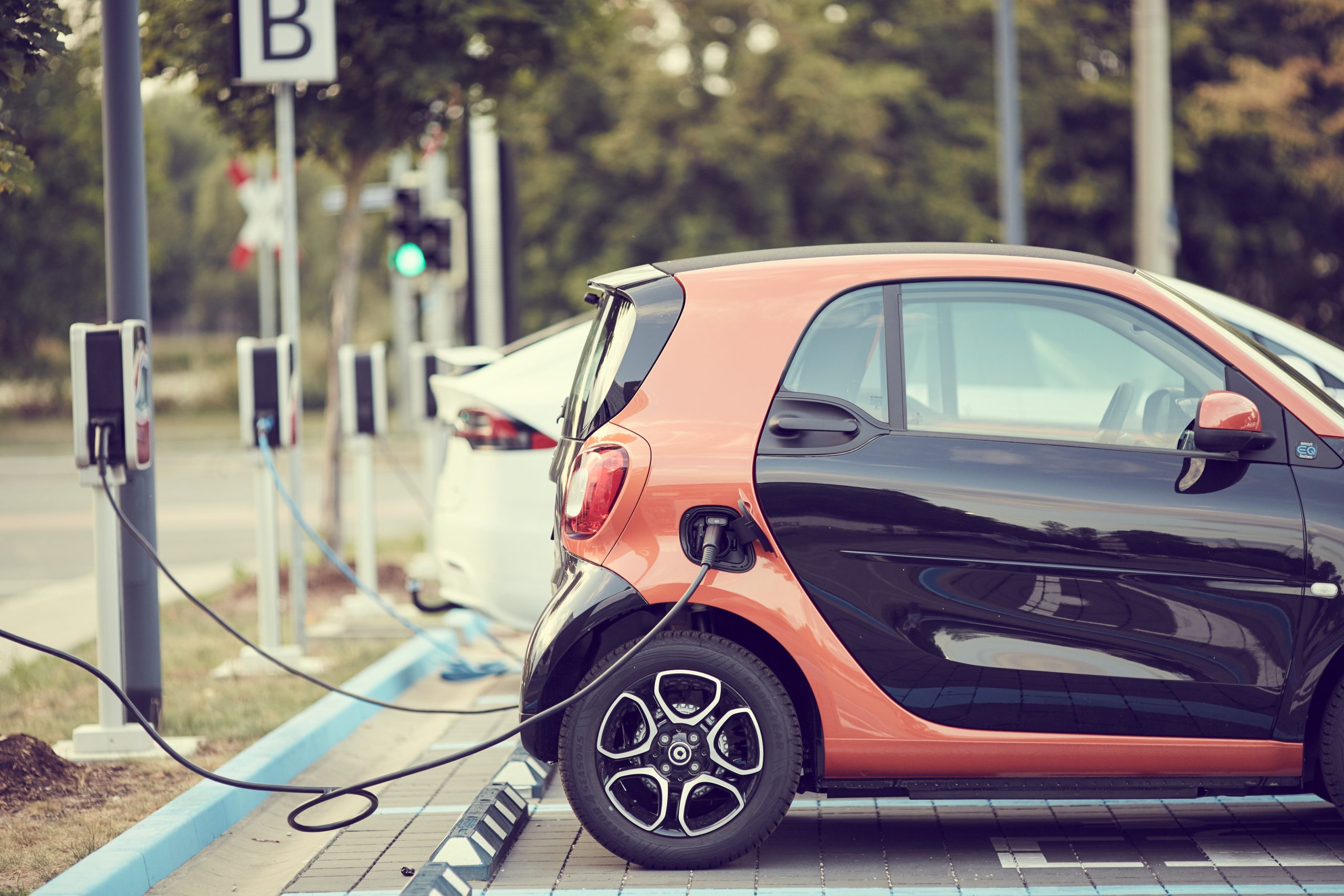
E-mobility in Kenya is starting to move beyond pilot projects and into everyday transport, though the shift is still uneven and, at times, uncertain. You can see it in the gradual appearance of electric buses, motorcycles, and delivery fleets, mostly in urban areas where operators are testing whether the numbers actually make sense.
Companies like BasiGo are pushing some of the most visible changes. Their electric buses are already operating on Nairobi routes, and the model focuses on reducing upfront costs for operators by separating the bus from the battery. Instead of buying everything at once, operators pay for usage over time. It sounds practical, and in some cases it is, but it also depends heavily on consistent operations and reliable charging access.
That’s where things start to get complicated. Charging infrastructure is still limited, and it is concentrated in a few areas. If you are running a fleet, your routes and schedules begin to depend on where you can charge, not just where passengers are. That changes how transport planning works, and not always in a way that operators are used to.
Motorcycles are another entry point into e-mobility. Several startups are working with electric boda bodas, offering battery swapping instead of traditional charging. The idea is simple. You ride in, swap your battery, and keep moving. For riders, the appeal is lower daily fuel costs. For the companies, the challenge is building enough swap stations to make the system reliable. Without density, the model struggles.
Financial institutions are present, but not always in ways that reach smaller players. NCBA Group and KCB Group have shown interest in supporting clean transport through asset financing and green lending. The reality on the ground is that many small operators still find it difficult to access these products. Requirements around credit history, collateral, and formal business structures create barriers that slow adoption.
International partners are also involved. Proparco and similar organisations provide funding that allows some of these projects to take off. This kind of support helps absorb early risk, but it also raises a longer-term question about what happens when that support reduces. The local market still needs to stand on its own.
If you look beyond Kenya, the pattern is familiar. Countries that have moved faster on e-mobility tend to have coordinated policy, infrastructure, and financing. In Kenya, these pieces are still developing at different speeds. You see progress, but it does not always connect smoothly.
What you are left with is a sector that is clearly moving, but not yet settled. E-mobility in Kenya is no longer an idea being tested in isolation. It is visible, it is growing, and it is attracting attention. At the same time, it still depends on systems that are not fully in place. How quickly those systems catch up will shape what happens next.