Green Financing Is Quietly Reshaping Kenya’s Economy
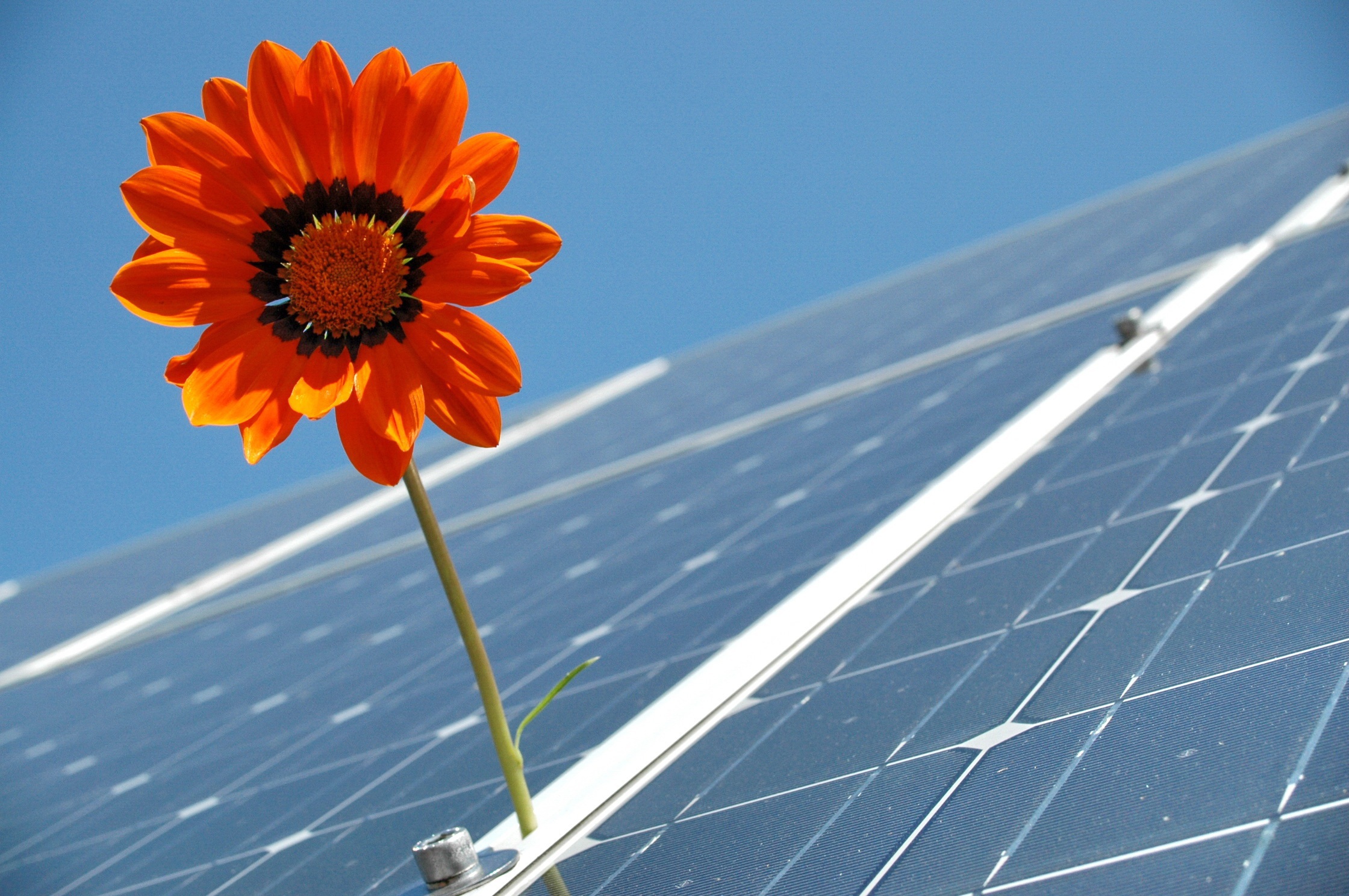
Green financing is quietly reshaping Kenya’s economy, and you see it in small, practical shifts rather than big announcements. Schools moving away from firewood or even from electricity to solar, small businesses turning to clean energy, farmers embracing mindful practices and investing in climate-smart tools.
Across Kenya, these shifts are starting to add up. At the centre of this change is a growing pool of green finance, with billions of shillings now directed toward climate-related projects and cleaner technologies. But the real story sits far from balance sheets and much publisized initatives. It lives in how people work, produce, and manage everyday costs.
A large share of green financing is moving into clean energy and small-scale enterprise. This includes LPG for schools, solar installations, and financing for climate-smart tools used by farmers and small businesses. On paper, this looks like a portfolio shift. But on ground, it looks different. Schools that relied on firewood reduce fuel costs and even cut smoke exposure. Small businesses that depended on unpredictable electricity or expensive fuel begin to stabilise their operations. Farmers gain access to equipment that improves output without increasing environmental pressure. These are not abstract climate goals but solid operational changes.
For many MSMEs, access to financing has always been tied to survival but institutions are now looking at changing times and new types of financing. Instead of only funding expansion for instance, some lending is now tied to how sustainably a business operates. Cleaner energy, efficient equipment, and waste reduction are becoming part of the conversation and this changes decision-making.
A business owner is no longer stuck in a black and white of growth and no growth. They are also weighing cost efficiency, energy stability, and long-term sustainability. In many cases, the greener option is becoming the more practical one, not the more expensive one. That shift matters.
Climate conversations often feel distant because policies are usually discussed at a national or global level, while daily realities of the people remain unchanged. Green financing starts to close that gap. When a rural school accesses clean energy or when a trader reduces fuel costs, climate action becomes immediately relatable and tangible. It stops being an abstract concept and becomes part of daily life and savings.
In Kenya, where many communities already deal with unpredictable weather patterns, these small adjustments carry weight. They build resilience quietly, without needing large-scale infrastructure projects.
As much as progress is visible, it is not evenly distributed since access to green financing still depends on awareness, eligibility, and location. Many small businesses and rural communities remain outside the green financing systems, moreso because there is also the question of affordability. Even when financing is available, not everyone can take it up.
Another gap sits in information and awareness. Not every borrower fully understands what qualifies as “green” or why it matters. Actually in some cases, the decision is driven by immediate cost rather than long-term benefit. That is not a failure, but a reflection of how financial pressure shapes choices. There is also a broader question around scale whereby individual projects add up, but the pace may not match the urgency of environmental challenges.
Green financing Kenya economy is not a headline-driven shift. It is gradual and often unnoticed. But it is changing how energy is used, how businesses operate, and how communities adapt. It does not rely on large declarations. It builds through small, repeated actions. A loan that funds solar here. A clean cooking solution there. A farmer adjusting how they produce. Over time, these pieces begin to connect. And while the system is still uneven and incomplete, it is already shaping a different kind of economic reality. One where sustainability is less about theory and more about how people live and work every day.