DTB Wearables Sustainable Payments Shift Everyday Transactions In Kenya
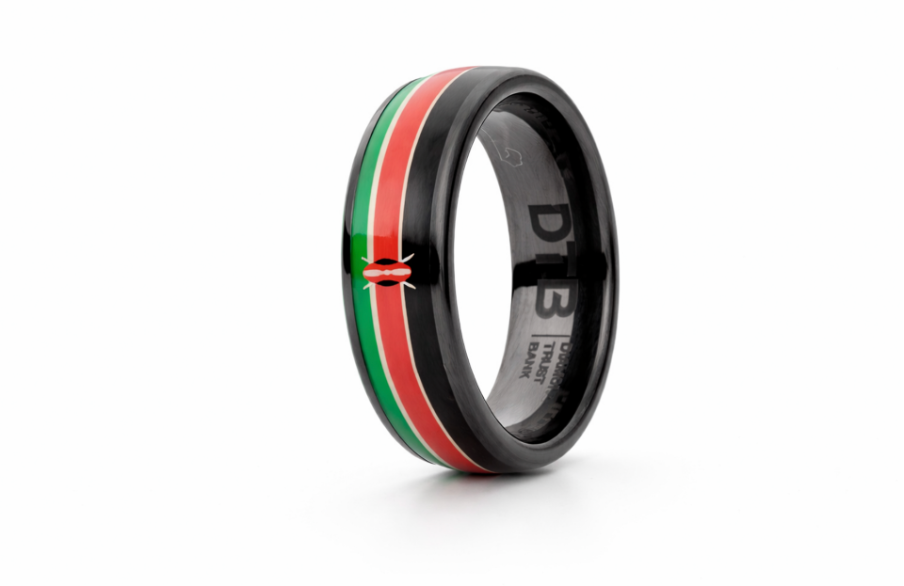
DTB Wearables Sustainable Payments reduce plastic cards and cash use, supporting environmental conservation through low impact contactless transactions.
Think about how often you reach for your wallet these days. Not your phone. Your actual wallet. For many people, it barely leaves the house anymore. Payments have quietly shifted away from physical things into something lighter, faster, and less visible. That shift is also part of a broader move toward environmental conservation, reducing reliance on plastic cards and paper cash, and lowering the material footprint tied to everyday financial transactions.
That shift is where DTB Wearables sustainable payments come in.
A wristband or ring that lets you pay with a tap sounds like a lifestyle upgrade, and that is how it is being marketed. But underneath that convenience is a different story about how we consume resources. Every card you carry is made, replaced, and eventually discarded. Cash moves through a system that requires printing, transport, and security. None of it is neutral.
Read also – Green Technology Driving Sustainability Across Kenya and Beyond
Digital payments reduced some of that load, and contactless payments reduce it further.
DTB’s wearables sustainable payments approach is simple. Instead of adding another layer, it compresses what already exists. The wearable links to your existing debit card, meaning you are not creating a new financial pathway, just changing how you access it. One object replaces several. Over time, that adds up.
It also changes behaviour in small but consistent ways. When paying becomes effortless, people stop defaulting to cash. They stop carrying multiple cards. The transaction becomes part of movement rather than a separate action that needs preparation. Those are subtle shifts, but they scale quickly across thousands of users.
DTB Wearables Sustainable Payments – Sustainability in practice.
There is a tendency to treat sustainability as something dramatic. Big projects, large systems, visible change. In reality, a lot of progress comes from quiet adjustments like this. Less plastic produced. Fewer replacements. Reduced reliance on physical currency.
Of course, digital systems are not without impact. Devices still need materials. Payment infrastructure still runs on energy. But reducing the frequency and volume of physical production like DTB wearables sustainable payments is doing is a meaningful step, especially in a market where transaction volumes are high and growing.
What DTB is introducing is not a complete reinvention of payments. It is a refinement of how we interact with them. And in a system as large as everyday finance, even small refinements can shift the balance over time.
That is where the sustainability angle sits. Not in the headline, but in the accumulation of everyday actions that require just a little bit less.