Kenya E-Mobility Policy Drives Kenya’s Clean Transport Future Forward
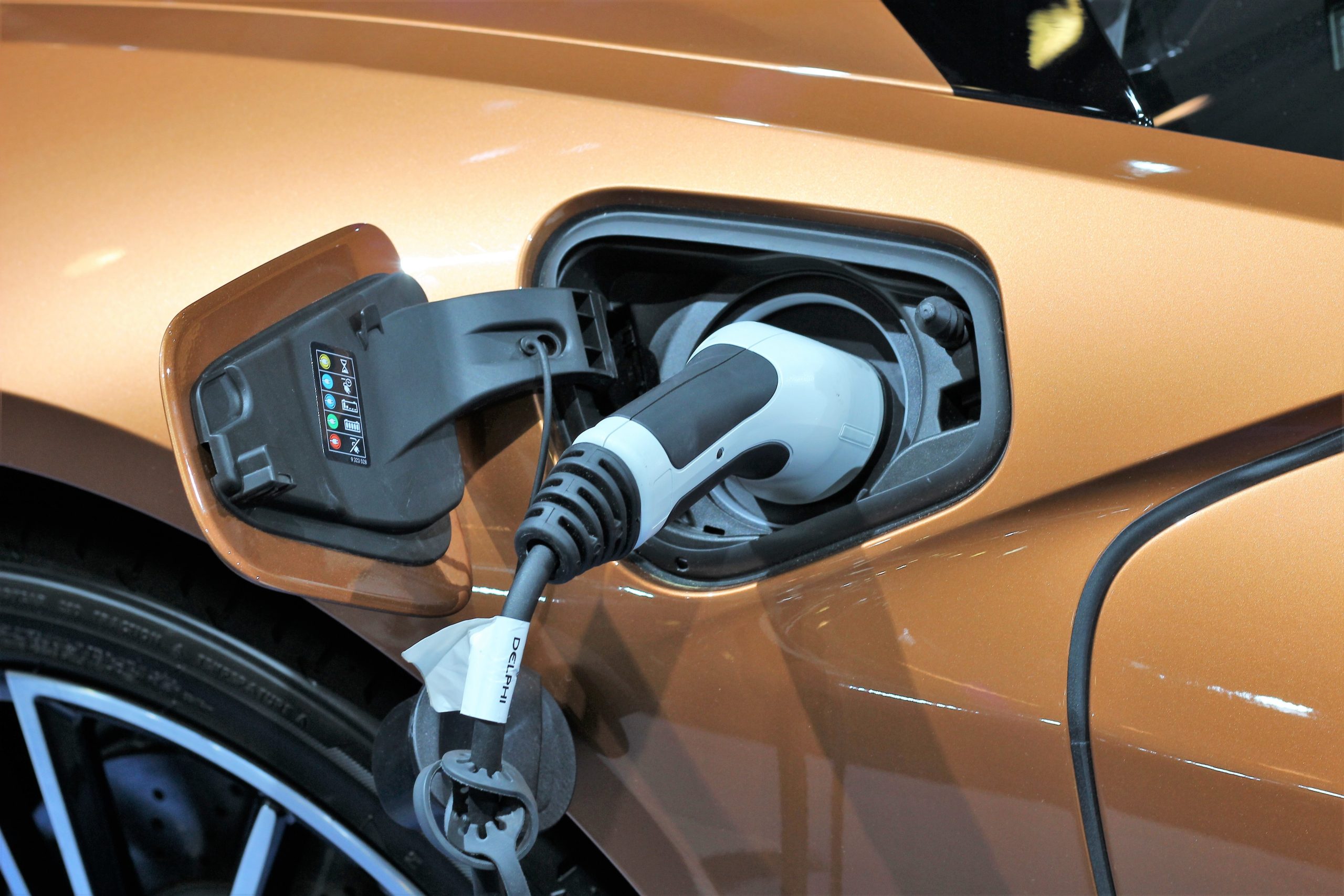
Kenya E-Mobility Policy sets a decisive course for affordable, scalable, and emissions-free transport across Kenya.
Few policy moments carry the weight of genuine sector transformation, but for Watu, the Kenya E-Mobility Policy, 2026 is exactly that. The company has come out firmly in support of the framework, calling it a foundational shift toward mobility that is clean, affordable, and built to scale across diverse markets.
Kenya E-Mobility Policy vs high fuel costs
Kenya’s transport sector has long grappled with the twin pressures of high fuel costs and worsening urban air quality. The Kenya E-Mobility Policy takes direct aim at both, laying out a structured pathway to cut emissions, breathe new life into city environments, and open up economic opportunity along the full electric vehicle value chain. Reduced dependence on imported fossil fuels, the policy’s proponents argue, will ease the cost burden on everyday commuters while insulating the country’s energy supply from external shocks.

Watu Kenya Country Manager Erick Massawe was among the voices at the launch making the case for bold, coordinated action.
“The Kenya E-Mobility Policy is a game-changer for the industry. It provides the clarity and momentum needed to scale electric vehicle adoption, unlock new value chains, and accelerate the transition to clean energy. For asset financiers like Watu, this policy strengthens our ability to deploy capital at scale, support entrepreneurs, and help build a viable electric mobility ecosystem in Kenya and across our African markets.”
He was equally direct about the values underpinning Watu’s work in this space.
“At Watu, sustainability is embedded in how we finance, deploy, and scale mobility solutions. By combining responsible financing with strong operational partnerships, we aim to ensure electric mobility is not only environmentally sound, but commercially viable and accessible to the people who rely on it for their livelihoods.”
The numbers behind Watu’s 2024 performance tell a story of real traction. The company financed 2,193 electric vehicles over the course of the year, more than double the 2023 figure, contributing to an estimated 5,483 tonnes of avoided CO₂e emissions. It is the kind of growth that points not to novelty, but to a market finding its footing, and to financing structures that are quietly doing heavy lifting in the background.
With the Kenya E-Mobility Policy now moving from paper to practice, Watu has pledged to stay close to the work partnering with government, industry, and communities on the ground to make electric mobility something that holds up over time: reliable, within reach, and genuinely useful to the people it is meant to serve.