
By Sheila Kagwe
The ocean is the world’s largest eco-system, covering more than 70% of planet Earth. The ocean produces over 50% of the oxygen we breathe, regulate global climate, and is the ultimate livelihood of wide population of the world.
In Kenya, we have the Indian Ocean that stretches over 600 km and is home to the marine life in the coast. It provides food security, fuels the tourism sector in Mombasa, Lamu, Diani, and Malindi and is a direct livelihood for a lot of people.
The Government Initiative
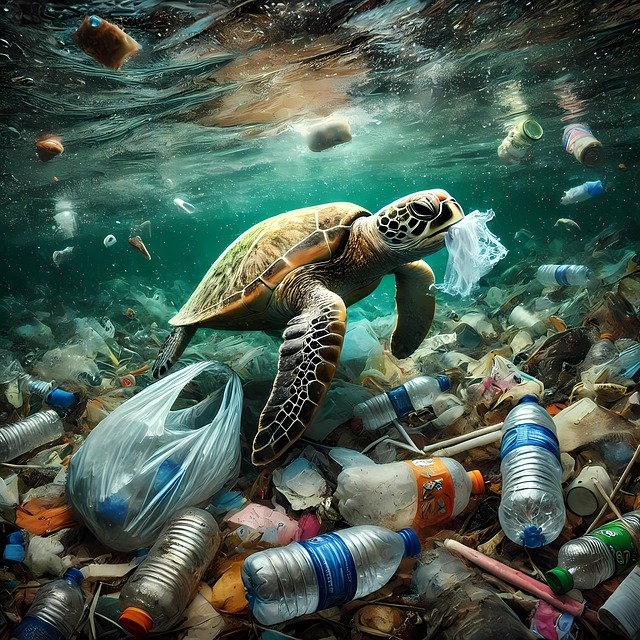
Globally, 8 million tons of plastic is thrown in the oceans each day. If left unchecked, the pollution greatly endangers marine life and the potential for blue economy. In response to support this initiative, the governments, NGO’s and corporates have stepped up their efforts too.
The Kenyan government took an initiative in 2017 when it banned the use of plastic carrier bags and 2020 where it banned the use of single plastic use in protected areas across the country.
Corporate Contributions Examples
NCBA Bank Kenya: NCBA Bank has actively taken part in promoting environmental change. Through its Change the Story Initiative, the bank has partnered with coastal communities, youth organizations to carry out waste management campaigns and ocean clean-ups.
KCB Group: It supports renewable energy and waste management projects which reduces pollution entering through waterways and the ocean at large.
ABSA Bank Kenya: ABSA has contributed to conservation initiatives aimed at reducing plastic waste leakage into marine environments.
Equity Bank: Under its sustainability agenda, Equity has actively engaged in educational programs on waste reduction and supported strategies of the same to benefit ecosystems.
Why Ocean Conservation Matters To Business
Protecting our ocean is not just a Corporate Social Responsibility, it is an investment in economic resilience.
∙ A healthy ocean sustains Kenya’s blue economy through tourism, trade, and tourism which can be worth billions annually.
∙ A clean ocean sustains the marine ecosystems which provides food security in the coastal region.
∙ It meets rising stakeholder and customer expectations for sustainable practices.
Caroline Wanjiku, Environment Analyst says, “Sustainability today is not charity. It is about securing the future of business and communities alike. Banks and corporates that invest in ocean heath are investing in their own resilience.”
Conclusion
Corporate Kenya is proving that protecting our oceans is not just about the environmental obligation but also a business initiative.
Institutions like NCBA are helping secure a sustainable blue future for generations to come. “At NCBA, we believe sustainability means investing in people, planet, and prosperity. Our contribution to ocean health is part of our promise to change the story, one clean shore at a time.” – NCBA.
Their objections are clear: to protect the environment, empower communities and help secure a sustainable future.

