Kenya Blue Economy Conservation reshapes coast livelihoods and ecosystems
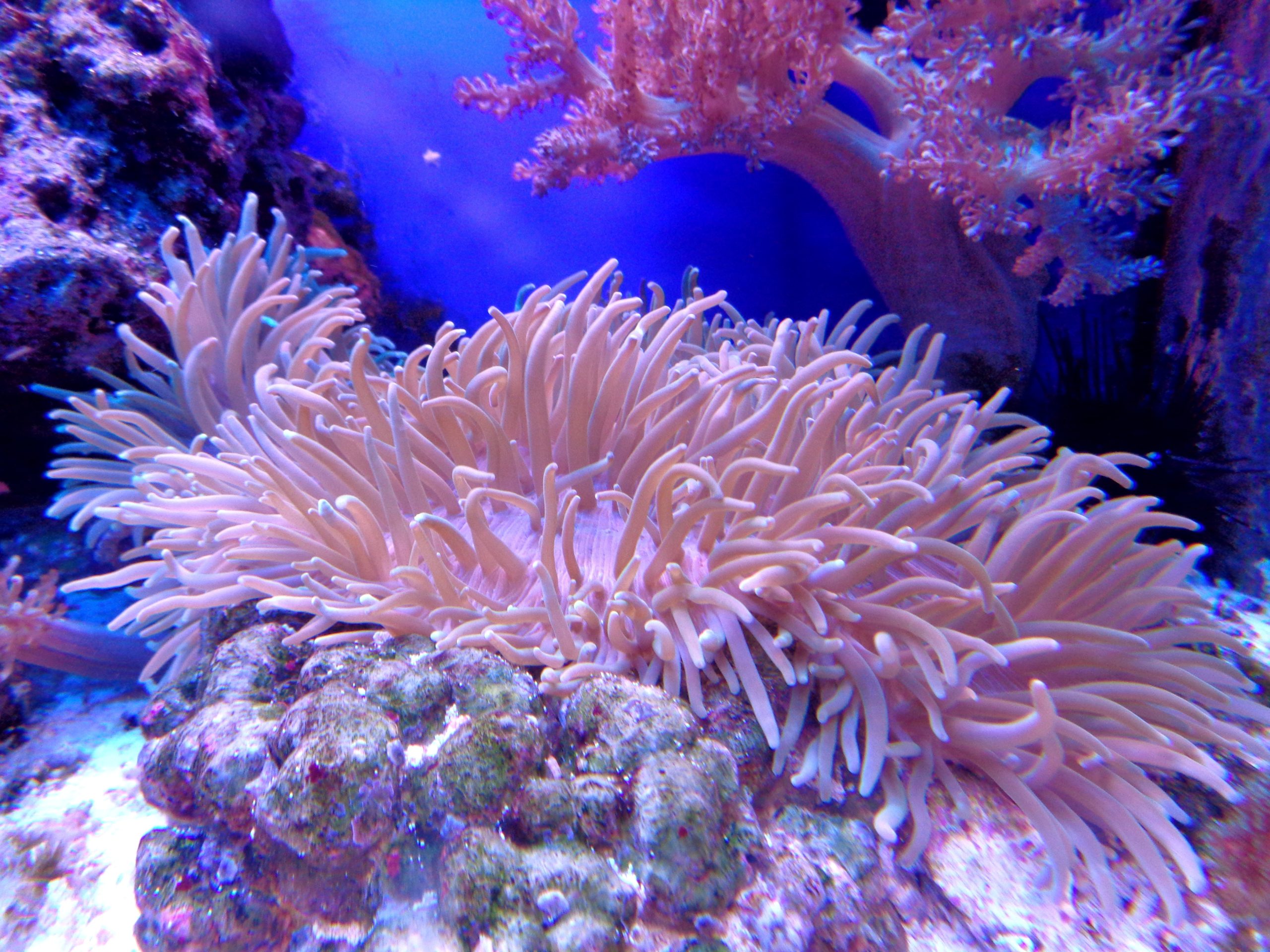
Kenya blue economy conservation is shaping how you think about the coast. It is no longer only about tourism or fishing. It is about how these activities can exist without damaging the same ecosystems they depend on.
Along the coastline from Mombasa to Lamu, pressure is visible. Fishing stocks fluctuate. Mangroves continue to face clearing for development and fuel. Tourism expands into fragile areas. These tensions sit at the centre of current policy and community discussions.
Mangroves are finally getting attention
Mangrove forests have become a focal point. They protect shorelines, store carbon, and support marine life. In places like Lamu and Kilifi, restoration projects are underway, often led by local communities working with conservation groups.
You will see youth groups planting seedlings and managing nurseries. The work is practical and slow. Survival rates matter more than planting numbers. That shift reflects a more grounded approach.
Read also – Sustainable Tourism Kenya Is Quietly Reshaping Travel
Mangrove conservation also connects to income. Some communities now earn through carbon credit projects tied to restored forests. This introduces a new layer of accountability, where protection links directly to financial returns.
Kenya blue economy conservation – Fishing practices are under pressure
Sustainable fishing remains a challenge. Coastal communities depend on fishing for daily income, yet overfishing continues in several areas. Gear restrictions and seasonal closures exist, but enforcement varies.
You can see the gap between policy and reality. Small-scale fishers often lack alternatives. When restrictions come without support, compliance drops.
There are ongoing efforts to address this. Beach Management Units play a role in regulating local fishing activity. Some programmes introduce alternative livelihoods like seaweed farming and aquaculture. Adoption takes time, and results vary across regions.
Marine protected areas and local resistance
Marine protected areas around Mombasa and Lamu aim to preserve biodiversity and allow fish stocks to recover. These zones restrict certain activities, including fishing.
While conservation goals are clear, community reactions are mixed. Some fishers view these areas as exclusion zones that limit access to traditional fishing grounds.
This tension highlights a recurring issue. Conservation policies often move faster than community engagement. When local voices feel sidelined, resistance grows.
Tourism and conservation share the same space
Tourism remains a major economic driver along the coast. Beach resorts, marine parks, and cultural sites attract both local and international visitors.
The challenge lies in balancing growth with environmental limits. Unplanned development can damage coral reefs and disrupt ecosystems. At the same time, tourism provides jobs and supports local economies.
Some operators are shifting toward eco-conscious models. This includes waste management, reef protection, and community partnerships. The impact depends on how widely these practices are adopted.
Kenya blue economy conservation – What this means for the coast
Kenya blue economy conservation is still evolving. You are seeing progress, but also friction. Policies exist, projects are underway, and communities are adapting at different speeds.
The outcome will depend on how well these pieces connect. Conservation cannot work in isolation. It has to reflect how people live and earn along the coast.
Right now, the direction is clear. The coast is no longer treated as an endless resource. It is being managed, questioned, and negotiated in real time and this is what we need for the Kenya blue economy conservation.